The Mechanics of Laser Phosphor Display
For decades, projectors relied on metal-halide lamps to generate white light, which was then filtered into red, green, and blue. While effective, lamps are fragile, generate massive amounts of heat, and begin to dim the moment they are first turned on. The solution emerged in the form of solid-state illumination, primarily driven by laser diodes.
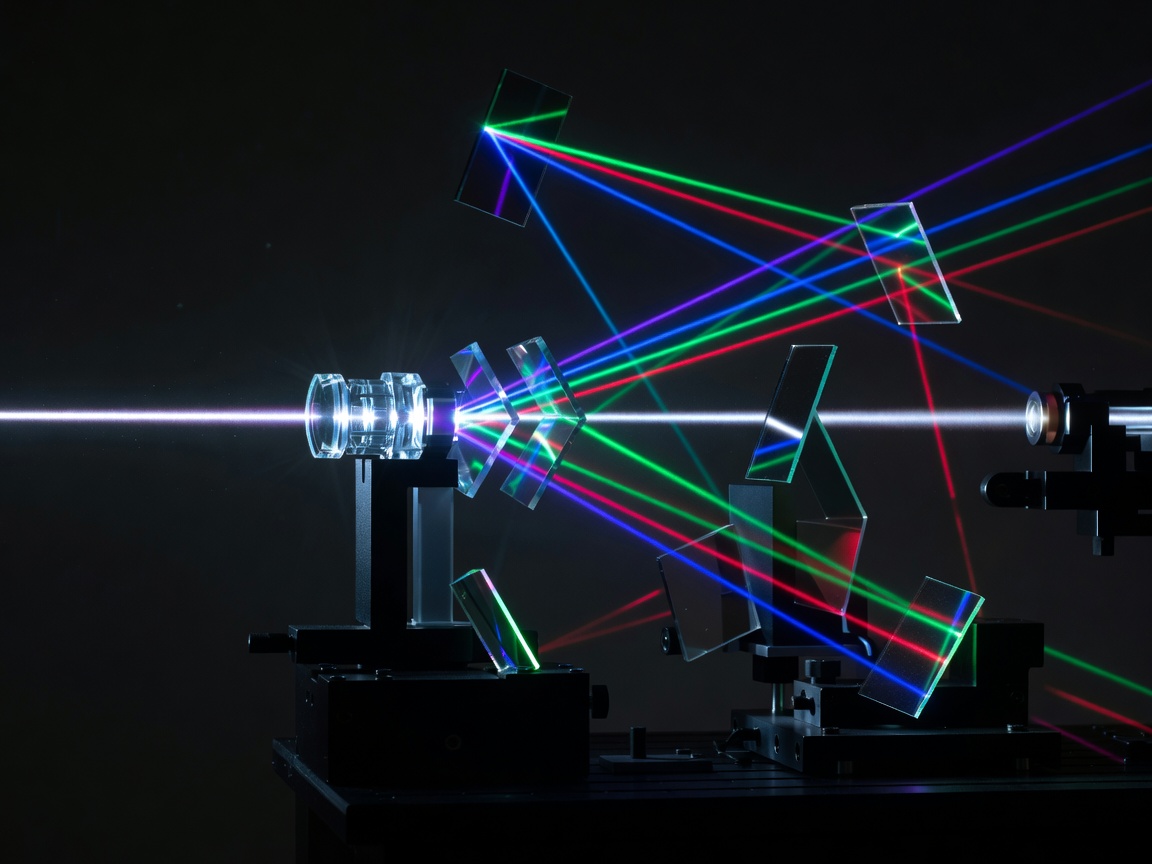
Most commercial laser projectors utilize a technology known as ALPD (Advanced Laser Phosphor Display). In a standard ALPD setup, a cluster of blue lasers serves as the primary light engine. Some of this blue light passes directly through, while the rest is directed at a spinning phosphor wheel. When the laser hits the phosphor, it fluoresces, creating brilliant yellow light. This yellow light is then split by dichroic mirrors into red and green. Recombining the red, green, and original blue yields a highly intense, pure white light that is then sent to the imaging chip (DLP or LCD).
Unprecedented Longevity and Brightness Maintenance
The foremost advantage of laser technology is lifespan. A traditional lamp requires replacement every 3,000 to 5,000 hours. In contrast, laser light engines are typically rated for 20,000 to 30,000 hours of operation to half-brightness. To put this in perspective, operating a laser projector for four hours every single day means the light source will last for nearly 14 years before its brightness is noticeably halved.
Furthermore, laser projectors do not suffer from the rapid initial dimming characteristic of lamps. The light output remains incredibly stable over its operational life, ensuring that the image looks virtually identical on day 1,000 as it did on day one. This consistency is particularly vital in edge-blending scenarios (where multiple projectors create one large image) and for maintaining HDR performance in home theaters.
Wider Color Gamut and Instant Operation
Because lasers emit light at very specific, narrow wavelengths, they produce exceptionally pure colors. High-end multi-laser systems (which use separate red, green, and blue lasers instead of a phosphor wheel) can reach nearly 100% of the BT.2020 color space—a feat impossible for traditional lamps and even difficult for modern OLED televisions. This results in deeply saturated, hyper-realistic imagery.
Additionally, laser projectors operate much like a flat-panel TV in terms of power delivery. Traditional lamps require several minutes to warm up to full brightness and must go through a careful cooling cycle to prevent the bulb from shattering. Laser projectors, however, offer "instant on/off" functionality, reaching maximum brightness within seconds and allowing for immediate power-down without thermal risk.
Cost Implications and TCO
The primary barrier to laser technology is the initial capital expenditure. Laser projectors invariably command a premium over their lamp-based equivalents. However, assessing the Total Cost of Ownership (TCO) changes the calculus. When factoring in the cost of multiple replacement bulbs, the labor involved in swapping those bulbs, and the potential downtime, a laser projector often becomes the more economical choice over a five-to-ten-year lifecycle.
Key Variations in Laser Technology
- Single Laser + Phosphor: The most common and cost-effective approach; uses blue lasers and a yellow phosphor wheel.
- Dual Laser: Adds a dedicated red laser to the blue/phosphor array, significantly boosting color volume and red saturation.
- RGB Laser (Tri-Color): Utilizes separate red, green, and blue lasers. The most expensive variant, offering unmatched color purity and the widest possible color gamut.
Pros and Cons of Laser Projectors
Pros:
- 20,000+ hour lifespan eliminates the need for consumable bulb replacements.
- Instant power on and off functionality, matching the convenience of televisions.
- Superior color accuracy, wider color gamuts, and consistent brightness over time.
Cons:
- Higher initial purchase price compared to lamp-based models.
- If the laser engine fails outside of warranty, the projector is essentially unrepairable by the consumer and requires factory service.
- Some individuals may perceive a slight "laser speckle" artifact on certain highly reflective screen materials, though modern diffusion techniques largely mitigate this.
Conclusion
Solid-state laser technology is rapidly becoming the standard across all tiers of projection, from portable mini-units to high-end digital cinema. By delivering flawless color, zero maintenance, and instant usability, laser engines solve nearly all the historical pain points associated with front projection systems.