The Evolution of the Form Factor
The landscape of projection has been democratized by the advent of ultra-portable units. Ranging from "pico" projectors—small enough to fit in a pocket—to "lunchbox" style projectors equipped with carrying handles, the focus of this category is radical flexibility. By replacing traditional, bulky high-pressure lamps with efficient LED and small-scale laser light sources, engineers have drastically reduced both the physical footprint and the heat generation of these devices.
This reduction in heat means smaller cooling fans and quieter operation, making them ideal for close-proximity viewing. However, the physical constraints of a small chassis mean there are inevitable compromises, particularly regarding lens optics and total lumen output. Buyers must carefully evaluate where and how the device will be used to determine the right balance between size and performance.
Battery Life vs. Brightness Trade-offs
The defining characteristic of a truly portable projector is its internal battery. Typical battery life spans from 1.5 to 4 hours, sufficient for a single feature film or an extended presentation without needing a wall outlet. However, battery capacity directly combats brightness output. To prolong battery life, portable projectors often limit their lumen output when running on DC power.
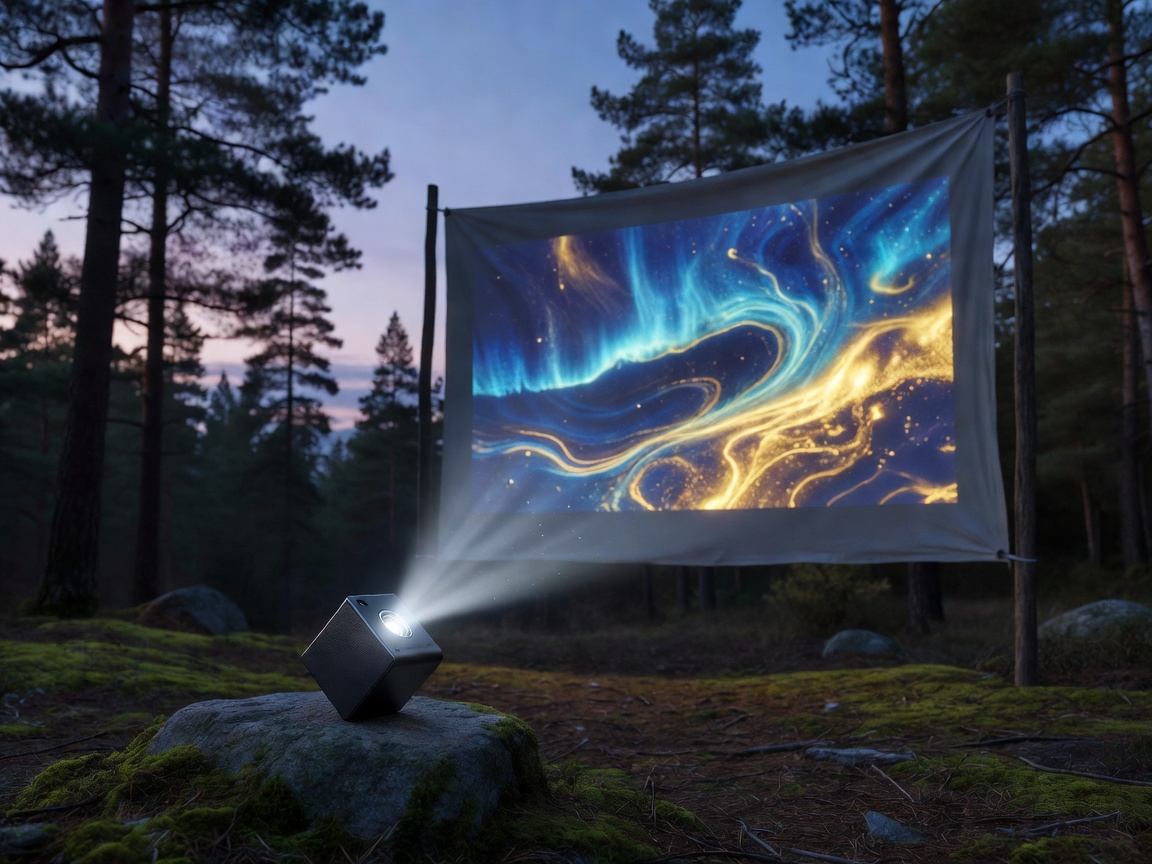
A portable unit might boast 800 ANSI lumens when plugged into a wall, but drop down to 300 or 400 ANSI lumens when operating on battery to conserve power. At 300 lumens, a projector requires a very dark environment—such as a backyard well after sunset or a heavily curtained room—to produce a watchable image larger than 50 inches. For daylight viewing or outdoor use before dusk, a portable projector will generally struggle to compete with ambient light.
Built-in Operating Systems and Smart Features
To maximize portability, users want to avoid carrying separate media players, laptops, or tangled HDMI cables. Consequently, robust built-in operating systems have become a standard feature in the portable category. Many devices now run variants of Android TV or proprietary smart platforms, allowing users to download streaming applications directly to the projector.
Alongside smart interfaces, wireless connectivity is crucial. Built-in Wi-Fi and screen mirroring protocols (such as Miracast or Apple AirPlay) enable quick casting from smartphones. However, it is important to note that digital rights management (DRM) restrictions on popular streaming apps sometimes prevent casting via mobile devices, making a native, officially licensed built-in OS highly desirable for uninterrupted viewing.
Audio Solutions in a Compact Chassis
Audio is notoriously difficult to engineer into small spaces. While portable projectors include internal speakers, they rarely match the fidelity of dedicated audio systems. To counter this, many portable units feature two-way Bluetooth connectivity. This allows the projector not only to output its audio to a high-quality external Bluetooth speaker or headphones, but also to function as a standalone Bluetooth speaker when the projection lamp is turned off.
Crucial Considerations for Portable Models
- Resolution: Many ultra-compact pico projectors are native 480p or 720p. For crisp text or detailed video, aim for a native 1080p resolution.
- Power Bank Compatibility: Check if the projector can be charged via USB-C using standard high-capacity power banks, which can effectively double your viewing time off-grid.
- Autofocus and Keystone: Because portable projectors are moved frequently, automatic focus and auto-keystone correction are essential features to ensure rapid, frustration-free setup.
- Light Source Lifespan: LED light sources in portable units typically offer 20,000 to 30,000 hours of life, essentially matching the lifespan of the device itself.
Pros and Cons of Portable Projectors
Pros:
- Ultimate flexibility: project on ceilings, tents, sides of vans, or temporary outdoor screens.
- All-in-one entertainment hubs requiring zero external cables or power sources.
- Significantly more affordable entry point into large-format viewing.
Cons:
- Low brightness output struggles against any form of ambient daylight or street lighting.
- Lower native contrast ratios compared to dedicated home theater models.
- Internal speakers often lack bass and dynamic range, necessitating external audio gear for larger groups.
Final Thoughts
Portable and mini projectors represent a lifestyle choice in display technology. They exchange the pristine, calibrated optics of a dedicated home theater for the joy of shared experiences anywhere. By prioritizing models with robust battery integration, smart auto-setup features, and native streaming interfaces, you can ensure your mobile cinema is as effortless as it is entertaining.